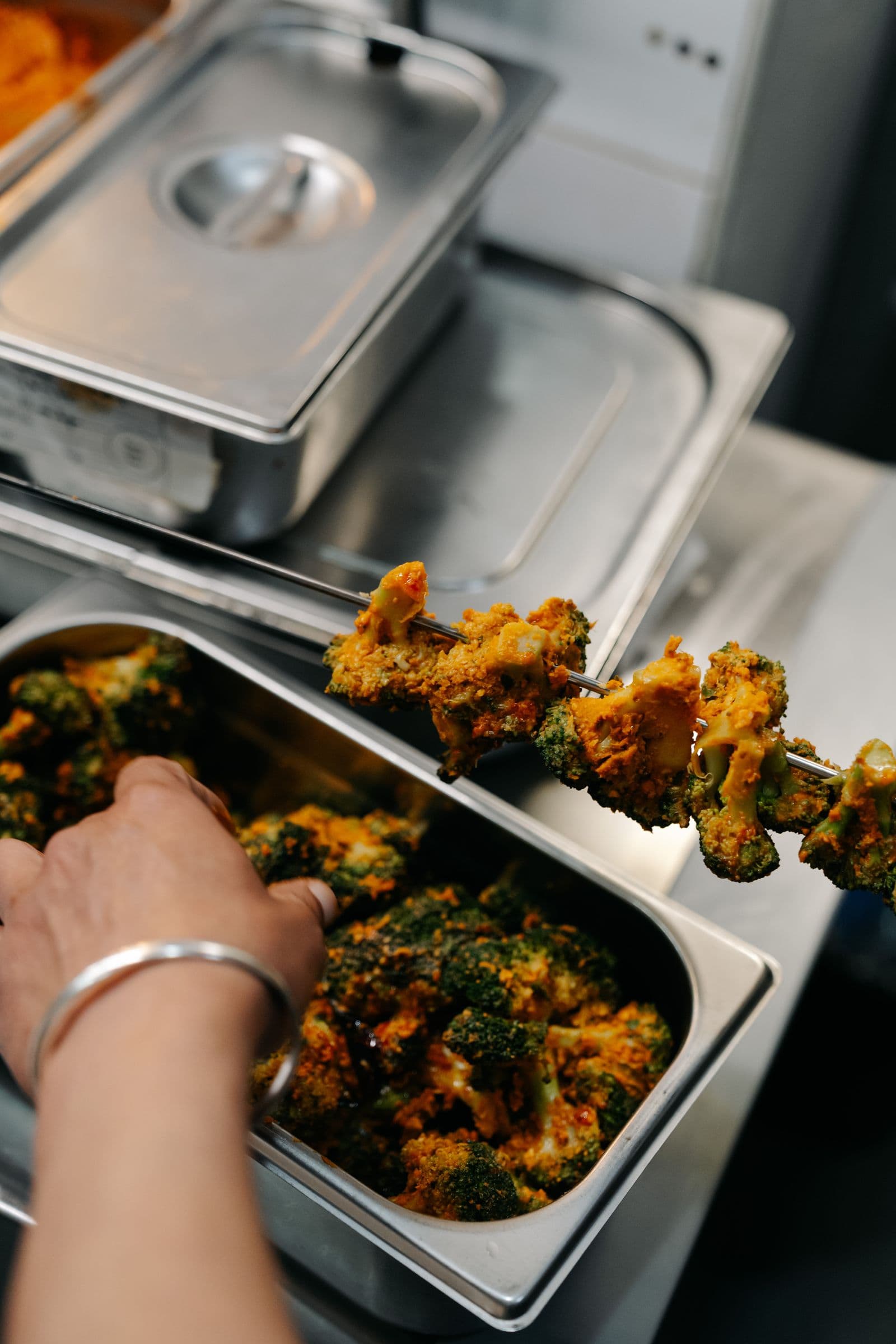
Most Indian restaurants in Surrey grill over lumpwood charcoal. Koyal does not. The kitchen behind our a la carte menu runs on binchotan - a Japanese white charcoal that costs roughly ten times what a standard sack of restaurant coal does, and is the reason food at Koyal tastes the way it does.
What binchotan actually is
Binchotan is made by slowly carbonising ubame oak in low-oxygen kilns at temperatures above 1,000°C. The process takes days, not hours, and produces a charcoal that is almost pure carbon - dense, hard, and metallic when struck. Crucially, it burns at much higher temperatures than standard charcoal, while producing almost no smoke or odour.
For Indian cooking, the implications are significant. A tandoor relies on radiant heat - the meat or bread is not cooked by flame, but by the wall and the coals below. Binchotan pushes those temperatures higher and steadier than lumpwood ever can, which means the surface of a protein chars faster while the interior stays moist.
The flavour difference
The other thing binchotan does is what it does not do. Standard charcoals release oils and volatile compounds as they burn, which is why a poorly run grill can taste acrid or bitter. Binchotan releases almost nothing. The result is a clean char - smoky in the way a wood fire is smoky, not in the way a barbecue is smoky.
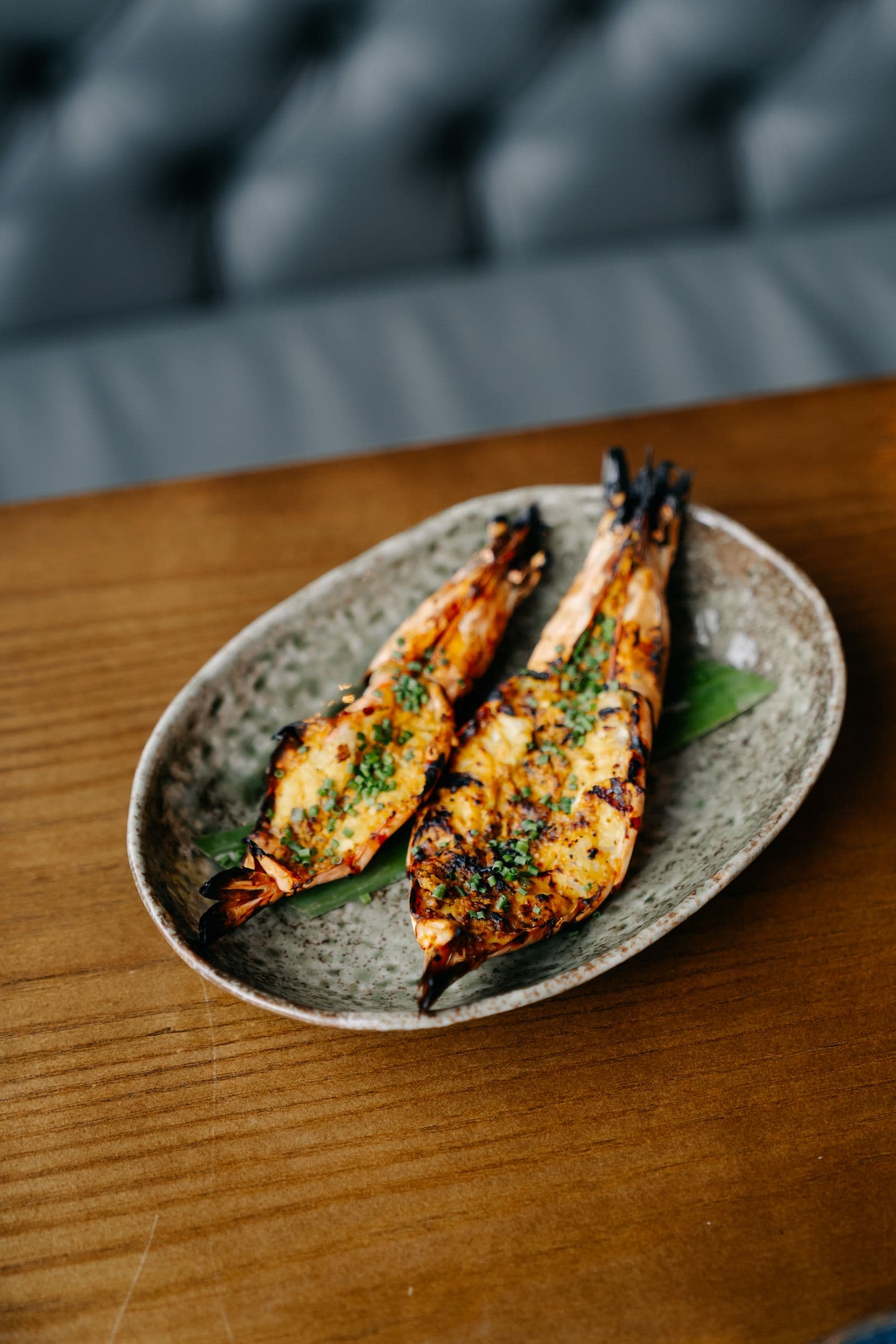
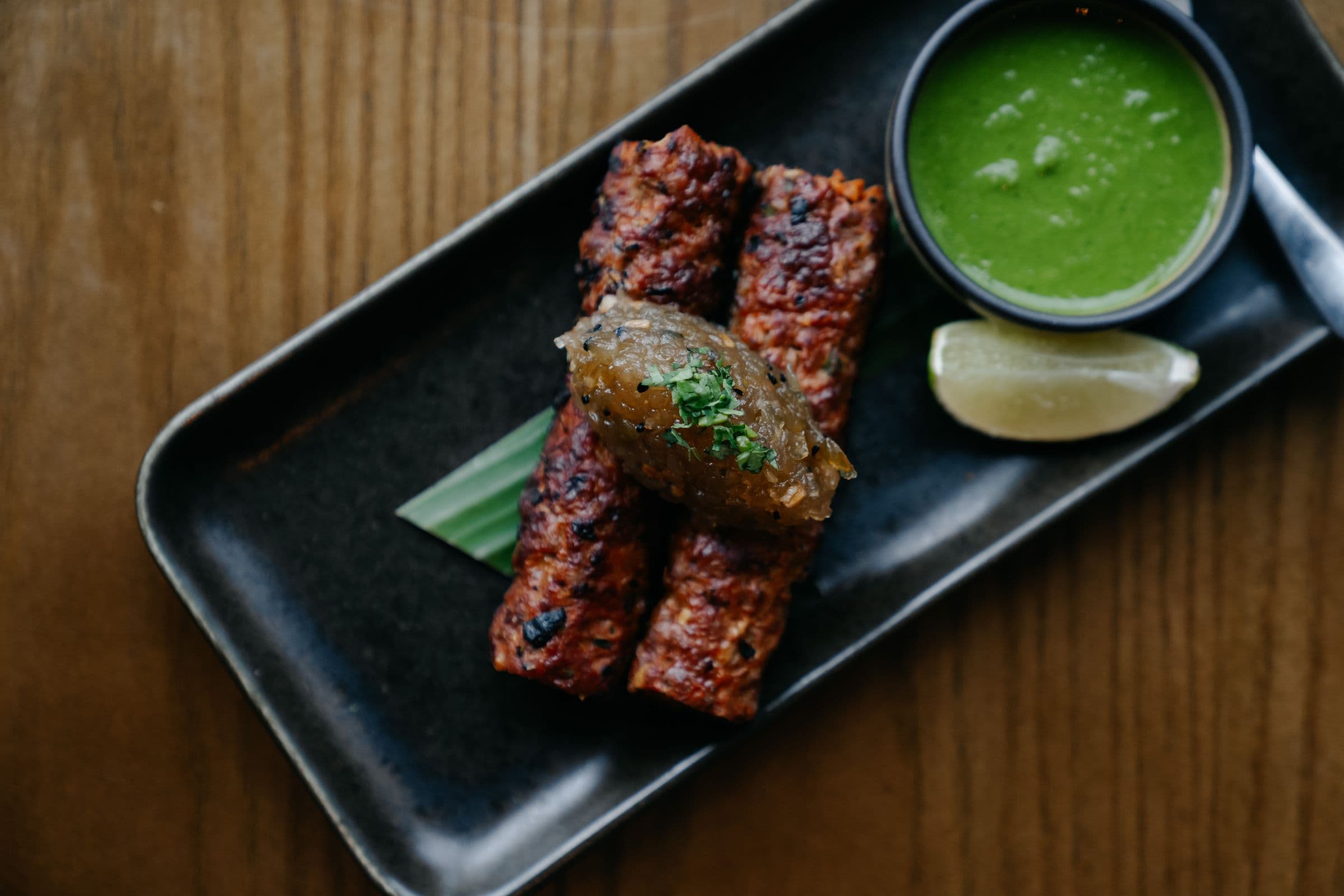
You can taste this most clearly in dishes like our Wild Tiger Prawns and the Quail and Duck Seekh Kebab, where the protein needs to caramelise on the outside without picking up off-flavours.
Why we made the switch
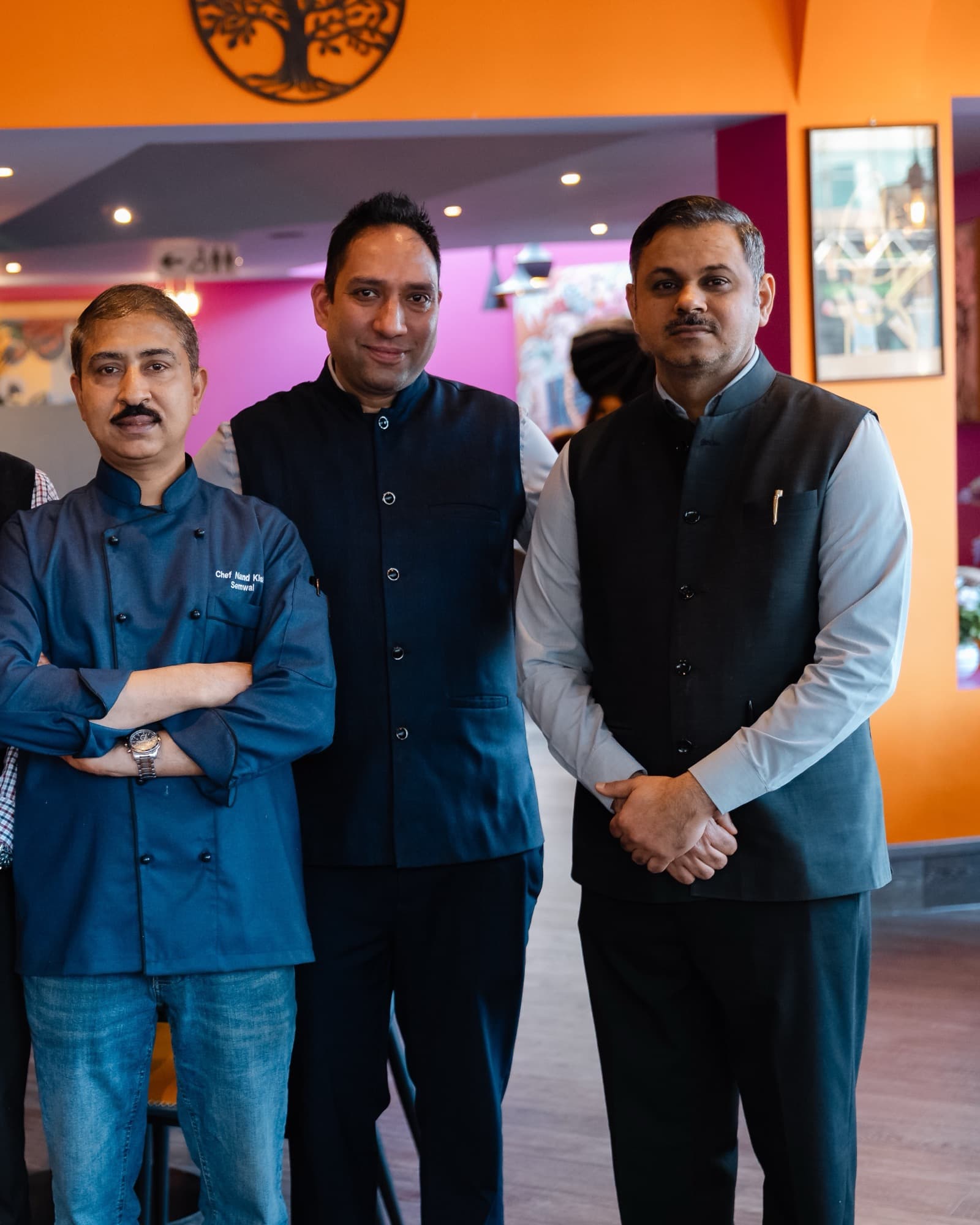
Chef Nand Kishor first cooked over binchotan during his years working in MICHELIN-Starred London kitchens. When Koyal opened in Surbiton, he insisted on installing a binchotan setup rather than the standard charcoal box found in most Indian restaurants. It was a deliberate investment - in equipment, in supply chain, and in training - to give the kitchen a higher ceiling.
Where the technique sits in regional Indian cooking
Indian grilling is one of the most underrated traditions in the world. From the tandoors of the Punjab to the sigris of Lucknow, fire-cooked meat is at the centre of how the cuisine works. Binchotan is not Indian, of course - but using it under traditional Indian masalas and marinades is one of the small choices that takes our food beyond the curry-house standard. To experience it, book a table at Koyal Surbiton.
Experience it in Surbiton
Reserve a table at Koyal - 2 AA Rosettes, Brighton Road, Surbiton